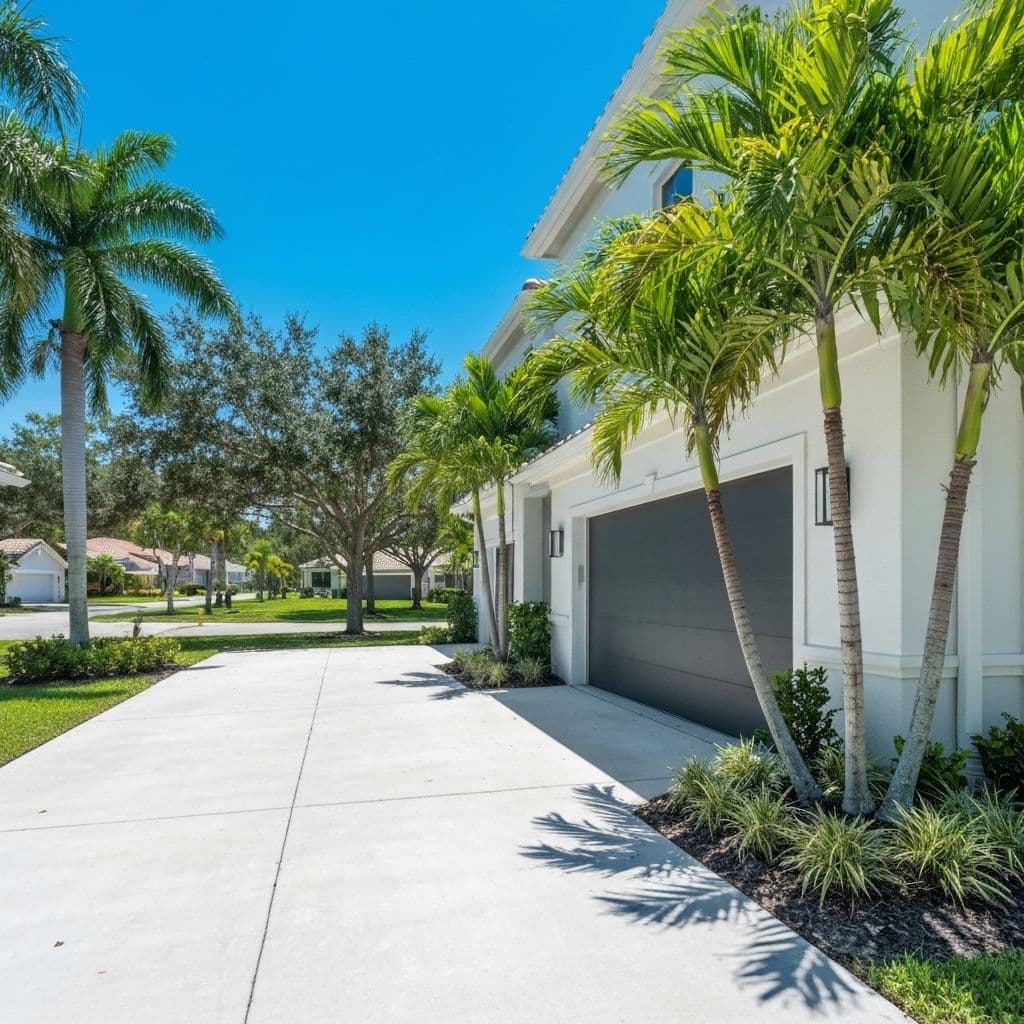
Why Does My Garage Door Reverse Right Before It Closes?
You press the button, the door travels all the way down, kisses the floor, and then reverses right back up. Sometimes the opener light flashes at you too. Frustrating, but here is the useful part: a door that reverses is a door whose safety systems are working. Something convinced the opener that closing was unsafe. Your job is to find out whether that something is real, misaligned, or just a setting that has drifted.
Why the Door Reverses at All
Every modern opener has two separate protections. Photo-eye sensors near the floor project an invisible beam across the opening, and if anything breaks that beam while the door is closing, the door reverses. Separately, the opener monitors how hard it is working: if the door meets more resistance than expected before reaching its programmed end point, the opener assumes it hit an obstruction and reverses. Almost every mystery reversal traces back to one of those two systems.
Check the Photo-Eye Sensors First
The sensors are the small units mounted a few inches off the floor on both sides of the opening. In a Florida garage they live a hard life: lawn equipment gets parked against them, leaves and cobwebs drift over the lenses, and one good bump from a trash bin knocks a bracket out of alignment. When the two eyes cannot see each other, most openers will close only reluctantly or not at all, and many will reverse at the last moment.
- Look for anything crossing the beam path: a rake handle, a hose, a box edge, even a spider web directly on a lens.
- Wipe both lenses with a soft dry cloth. Coastal humidity leaves a film that builds up faster than you would expect.
- Check the indicator lights on both sensors. A steady light on each unit usually means they are aligned; a dark or blinking light usually means they are not.
- If one bracket looks bent, loosen it gently and re-aim the sensor until the indicator light comes back steady.
The Travel Limit Is Set a Touch Too Far
The opener has a programmed down position: how far it travels before it considers the door closed. If that limit is set slightly past the actual floor, the door lands, keeps pushing into the slab, feels the resistance, and interprets its own floor as an obstruction. So it reverses. This often shows up after a new bottom seal is installed (the door now meets the floor sooner) or on garages where the slab has settled unevenly. The fix is a small adjustment of the down-limit setting, described in your opener's manual.
The Close Force Has Drifted
Openers also have a force setting, which is the amount of resistance they tolerate before reversing. In this climate, doors genuinely get harder to move over time: humidity swells wooden parts, rust stiffens hinges, and rollers dry out. A force setting that was right two summers ago can be too sensitive for the door the way it moves today. The correct response is usually to fix the friction rather than crank up the force, since raising the force blindly makes the door more dangerous to anything in its path.
Something Is Physically Binding the Door
- Dry or flat-spotted rollers that drag in the track instead of rolling.
- A bent track section pinching the door partway down, often from a car mirror tap.
- A new bottom seal that is thicker than the old one and grabs the floor early.
- A panel warped by moisture, changing how the door sits in its tracks.
When the Opener Itself Is the Problem
If the sensors check out, the limits are set correctly, and the door moves freely by hand, the fault is likely inside the opener: worn drive gears, a failing logic board, or aging components that misread the door's position. Openers that reverse intermittently with no pattern often fall in this category.
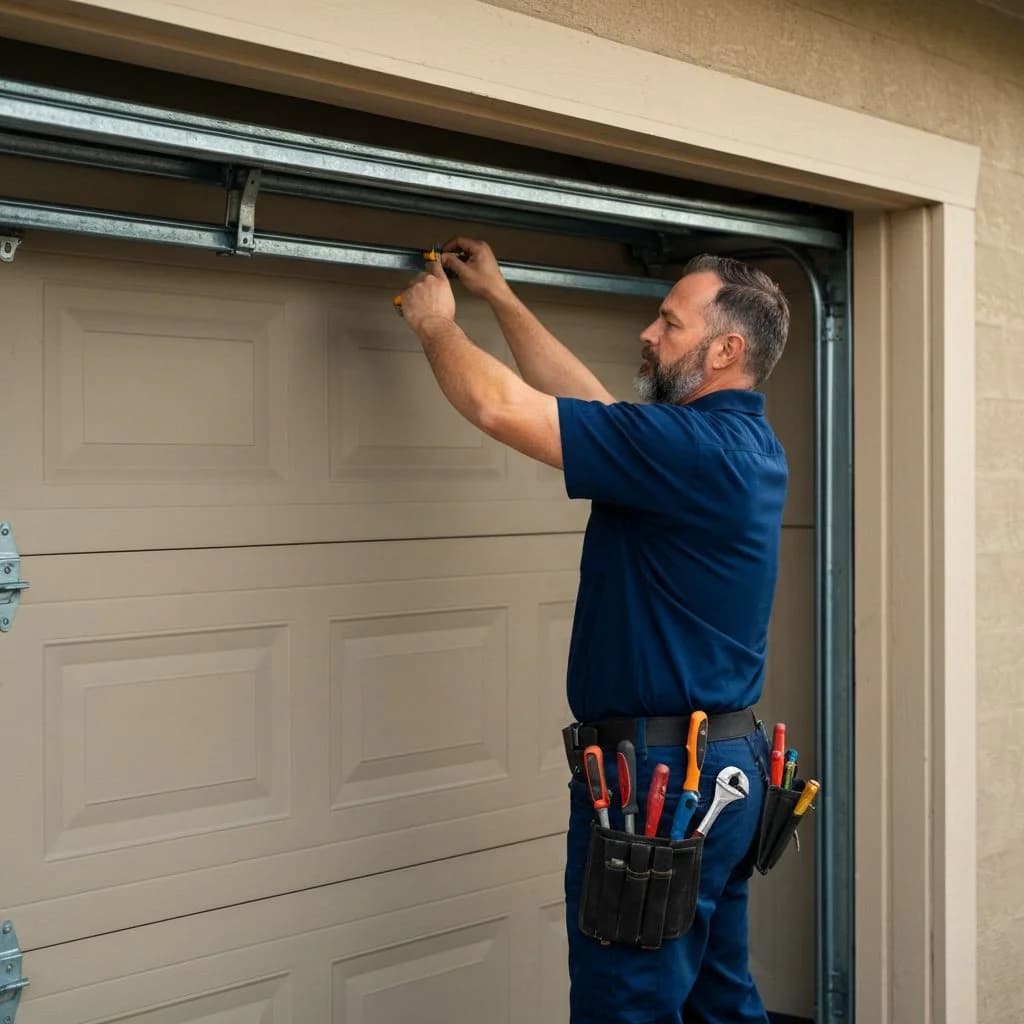
When you have run through the checklist and the door still will not stay closed, it is time for a diagnosis rather than more guessing. Our garage door repair team in Fort Myers handles sensor alignment, limit and force calibration, and opener repair across Lee County, and can usually tell you within minutes which of these causes you are dealing with.
Frequently Asked Questions
Answers to common questions about this topic from your local garage door experts.
Door Still Going Back Up? We'll Find Out Why
Sensor alignment, limit and force calibration, worn rollers, or the opener itself: we diagnose the actual cause and fix it in one visit, across Fort Myers, Cape Coral, and all of Lee County.